In clinical safety management, the2-8°C refrigerator serves as a critical link in ensuring medical quality and patient safety. Its core function is to maintain the stability of biological agents, pharmaceuticals, and samples through precise temperature control, thereby preventing inefficacy or safety hazards caused by temperature fluctuations. The specific application scenarios and control essentials are as follows:
1. Blood and Its Derivatives
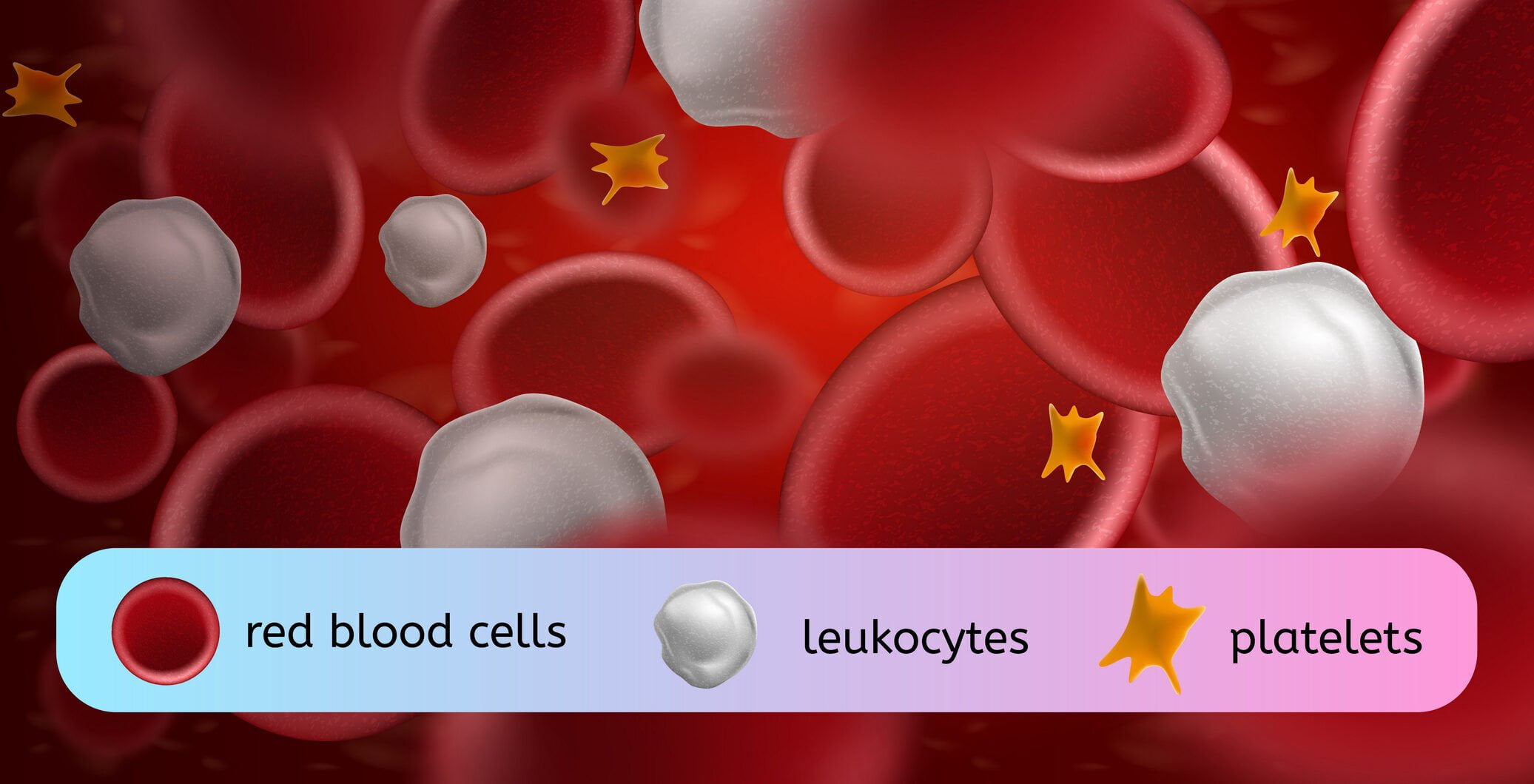
Whole Blood/Component Blood: Red blood cell suspensions and platelet concentrates require strict temperature control to prolong viability (e.g., red blood cells can be stored for 35 days).
Plasma/Cryoprecipitate: Fresh frozen plasma requires a full cold chain, and once thawed, it must be used immediately or stored short-term under refrigeration.
Serological Testing Samples: Cross-matching specimens and antibody screening samples require low-temperature storage to prevent antigen degradation.
2. Nucleic Acid and Protein-Based Reagents
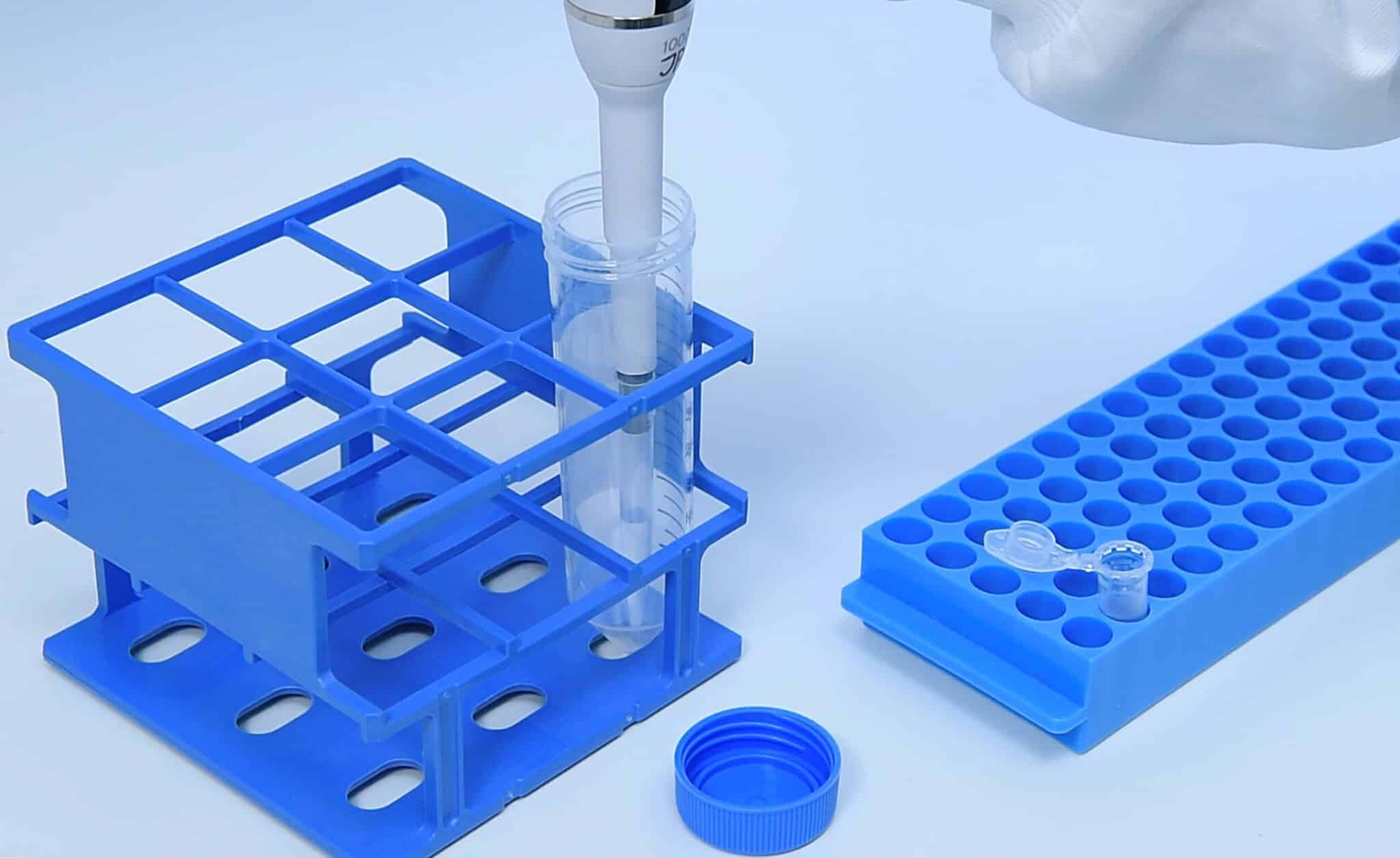
PCR Kits: Primer probes and enzyme mixtures require refrigeration in light-proof conditions to avoid sensitivity loss caused by repeated freeze-thaw cycles.
Immunohistochemistry Antibodies: High-specificity antibodies must be stored stably to prevent non-specific binding that could interfere with results.
II. Compliance Management of Drugs and Vaccines
1. Biological Agents
Insulin/Growth Hormones: Unopened preparations require refrigeration; opened units must be used within the specified period (usually no more than 4 weeks).
Monoclonal Antibody Drugs: Drugs such as Rituximab and Trastuzumab require full cold chain transportation with recorded temperature trajectories.
Coagulation Factors (VIII/IX): Lyophilized preparations must be used immediately after reconstitution; residual solutions must be discarded.
2. Vaccine Management
Cold Chain Transportation Standards: Vaccines such as Hepatitis B and HPV vaccines must remain in a 2-8°C environment from the factory to the vaccination site.
Expiry Tracking System: Electronic tags are used to monitor inventory turnover in real-time, prioritizing the use of batches with the nearest expiry dates.
Abnormality Handling Procedures: In the event of a power outage or equipment failure, emergency plans are activated, and vaccine efficacy is assessed.

III. Key Nodes in Infectious Disease Prevention and Control
1. Pathogen Cultures
Bacterial Isolates: Temporary storage of strains used for antimicrobial susceptibility testing to prevent death or mutation caused by room temperature storage.
Viral Load Samples: Samples for HIV and HBV nucleic acid testing require timely refrigeration to inhibit viral replication.
2. Sterilization Validation
Biological Indicators: Geobacillus stearothermophilus spore suspensions require refrigerated storage to ensure the accuracy of sterilization effectiveness monitoring.

IV. Special Requirements for High-Risk Scenarios
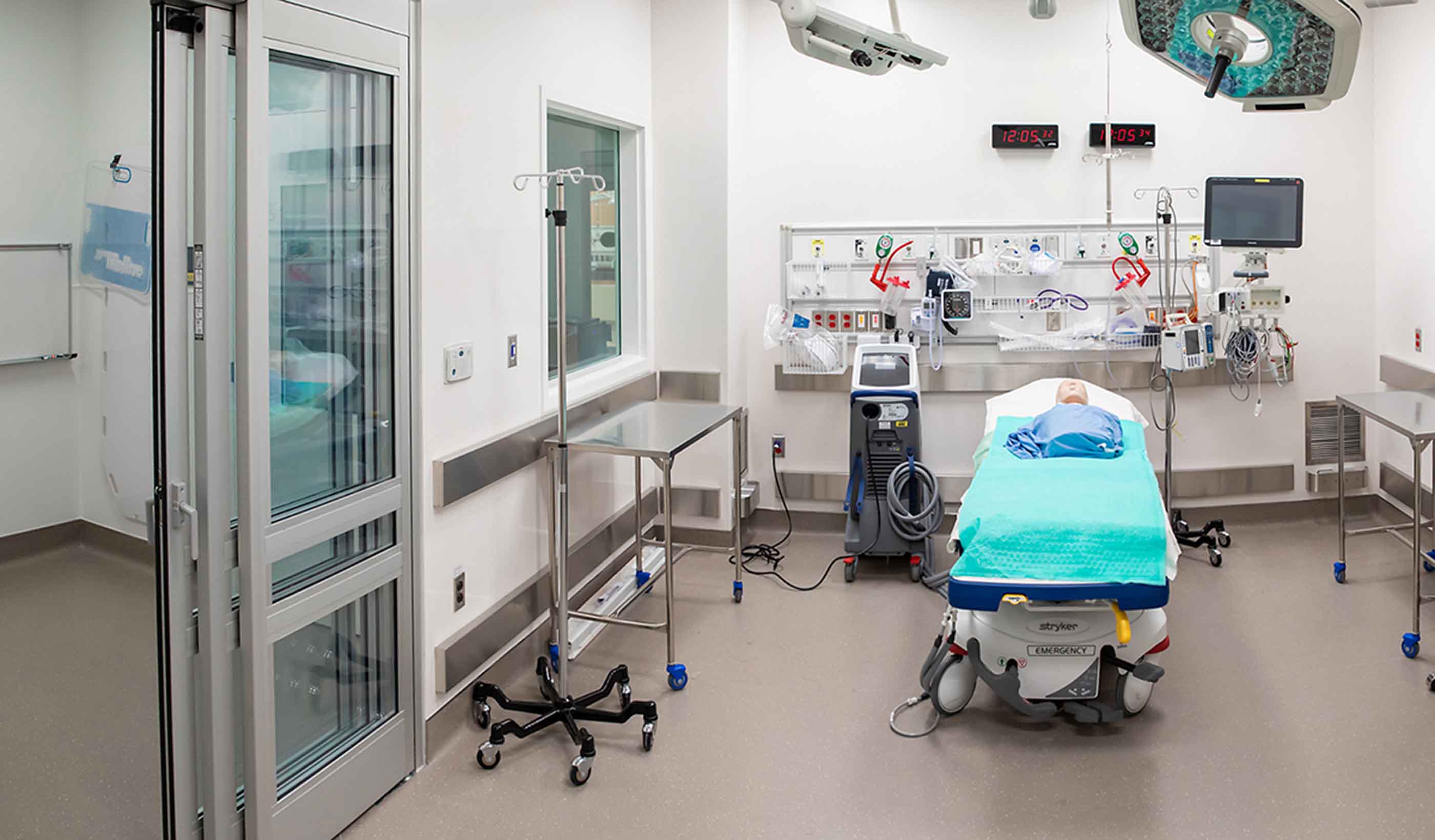
1. Emergency Reserves in Operating Rooms
Liquids for Autologous Blood Transfusion Equipment: Heparin saline and irrigation fluids require low-temperature storage to reduce the risk of contamination.
Organ Transplant Preservation Solutions: Solutions such as UW (University of Wisconsin) solution and HTK (Histidine-Tryptophan-Ketoglutarate) solution require strict temperature control to prolong organ viability.
2. Green Channel for Emergency Laboratory Testing
Point-of-Care Testing (POCT) Consumables: Portable glucose test strips and blood gas analyzer reagent cards require refrigeration to prevent moisture absorption.
V. Core Elements of the Safety Management System
1. Equipment Certification and Calibration
Compliance with WHO PQS (Performance, Quality, and Safety) specifications; equipped with independent alarm systems (sound/light + SMS notification); quarterly temperature distribution validation (hot spot/cold spot mapping).
2. Standard Operating Procedures (SOP)
Implementation of a double-person, double-lock management system; manual temperature measurement at least twice daily with data entry into the LIMS (Laboratory Information Management System); strictly prohibited for storing personal items.
3. Risk Warning Mechanism
Establishment of a temperature excursion response process: Transfer materials to a backup refrigerator within 30 minutes, mark affected materials, and report to the Quality Control department.
4. Personnel Training and Assessment
New employees must pass cold chain management simulation drills; regular refresher training on the WHO Vaccine Management Handbook.

In clinical safety management, the 2-8°C refrigerator is not merely a physical storage tool, but a hub connecting regulatory compliance, quality control, and patient safety. Through intelligent monitoring (such as IoT sensors), refined management, and the construction of a safety culture involving all staff, medical risks can be minimized, ensuring the scientific validity and reliability of clinical activities.
