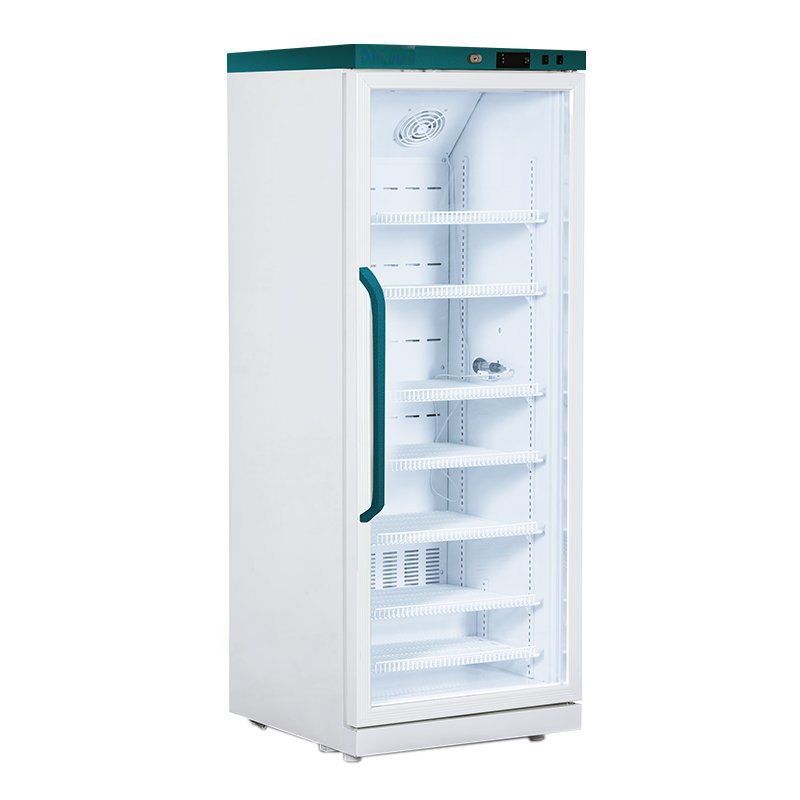
In daily operation of microbiology laboratories, strain preservation is essential to sustain research progress and ensure credible experimental data. For frequently-used working strains, long-term cryopreservation at -80℃ involves complicated procedures and high costs, while room-temperature storage easily causes activity decline, microbial contamination and genetic variation of strains. Featuring precise temperature control, stable performance and easy operation, the 2-8℃ special laboratory refrigerator has become standard equipment for short-term strain preservation, widely adopted in scientific research institutions, pharmaceutical R&D, food inspection and other laboratories.
I. Working Principle: Low-temperature dormancy maintains strain activity
Microbial growth and reproduction rely on metabolic activities under suitable temperatures. The low-temperature environment of 2-8℃ (optimal at 4℃) can effectively inhibit microbial enzyme activity and slow down metabolism significantly, putting strains into a low-temperature dormant state. In this state, strains consume little nutrients and stop cell division, which maintains cellular activity and original biological characteristics stably and prevents trait variation. Meanwhile, it restrains the growth of miscellaneous bacteria and lowers contamination risks, perfectly meeting the demands of short-term preservation and frequent sampling.

II. Application Scope
This refrigerator is highly compatible with most common laboratory microorganisms, serving as an exclusive storage space for routine working strains:
1. Bacteria: E. coli, Bacillus subtilis, Staphylococcus aureus, etc., stable storage for about 1 month
2. Yeasts: Saccharomyces cerevisiae, Candida, etc., storage period up to 2 months
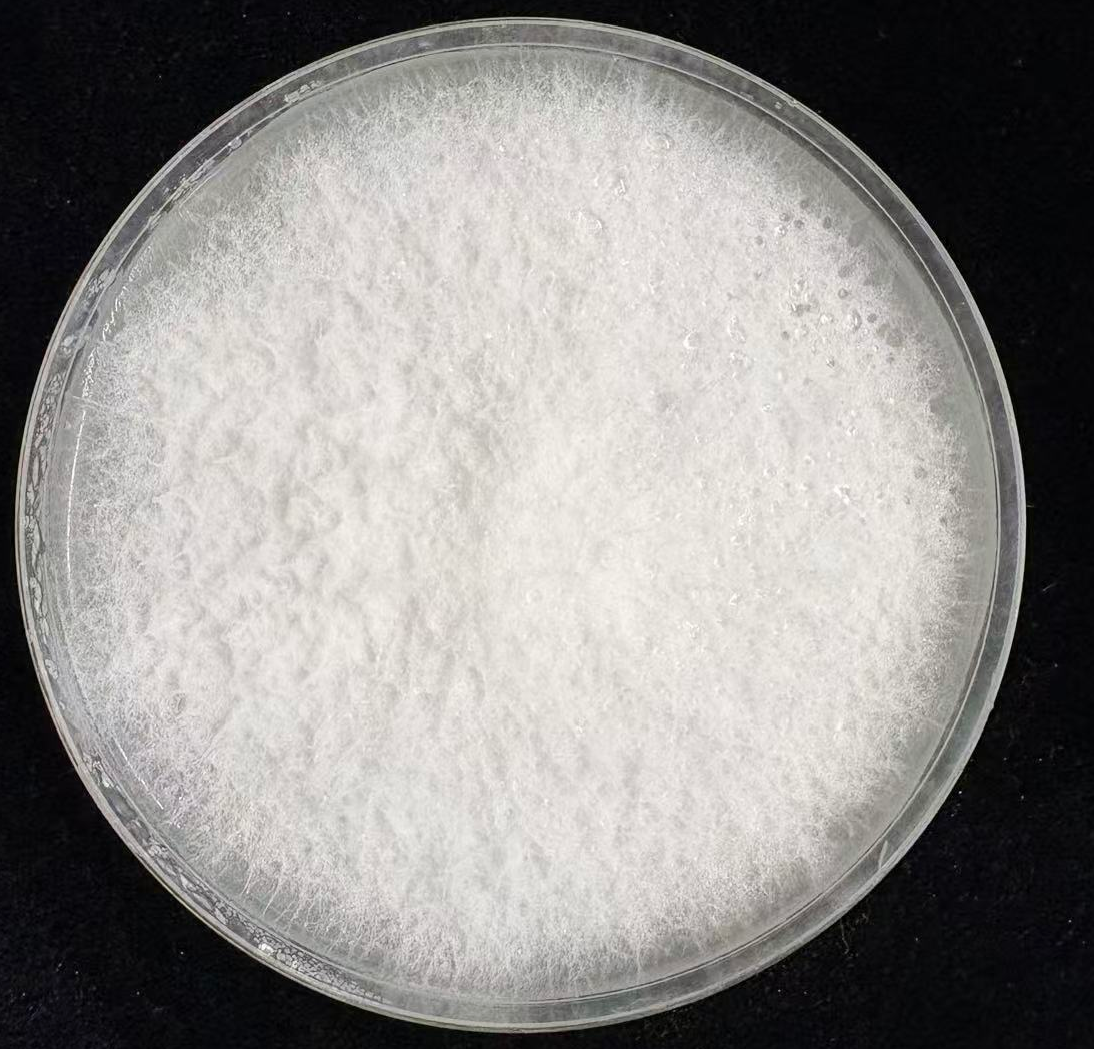
3. Molds and actinomycetes: Penicillium, Streptomyces, etc., storage for 1-3 months with stable spore activity
4. Special strains: engineered bacteria, genetically modified strains and clinically isolated non-highly pathogenic bacteria
III. Standard Operating Procedure
Combined with slant culture preservation method, it is the most universal and easy-to-operate short-term preservation solution:
1. Medium preparation: Prepare targeted solid slant medium, sterilize at 121℃ for 20 minutes, then place obliquely for natural solidification
2. Inoculation and incubation: Streak inoculate purified colonies onto slant medium under aseptic conditions, incubate at proper temperature (37℃ for bacteria, 28℃ for fungi) for 18-48 hours until dense bacterial lawn forms
3. Sealed refrigeration: Seal test tubes with sterile sealing film to avoid water loss and contamination, store vertically in the refrigerator at constant 4℃
4. Regular subculture: Subculture bacteria monthly, yeasts every two months, molds and actinomycetes every three months to avoid activity attenuation and strain variation
IV. Core Advantages
Compared with liquid paraffin preservation, glycerol cryopreservation and liquid nitrogen preservation, 2-8℃ refrigeration is more suitable for short-term and high-frequency use:
1. Simple operation: No cryoprotectant or complex pre-treatment required
2. Economical and energy-saving: Low equipment cost and low daily power consumption
3. Convenient access: Direct sampling without thawing and resuscitation
4. Stable biological traits: Effectively reduce strain variation and guarantee experimental repeatability
V. Key Selection Specifications
1. Precise temperature control, stable internal temperature range: 2℃~8℃
2. Rapid cooling speed, internal temperature fluctuation ≤1.5℃
3. Equipped with waterproof brushless forced air cooling fan, temperature uniformity ≤1℃
4. Frost-free design, avoid condensate evaporation
5. High-density polyurethane insulation layer for excellent cold retention performance
VI. Conclusion
With low-temperature dormancy as the core principle, 2-8℃ laboratory refrigerators stand out as the preferred choice for short-term strain preservation thanks to simple operation, low cost, convenient use and wide compatibility. Applicable to teaching laboratories, professional research institutes and various strain types, it fully satisfies short-term frequent usage needs, steadily preserves strain activity and biological stability, and provides solid support for smooth microbiological experiments.