Spray dryers play a critical role in the development and production of advanced materials and renewable energy technologies. Their ability to rapidly convert liquid feedstocks into fine, uniform powders or granules while maintaining material integrity makes them indispensable for applications requiring precise control over particle size, morphology, and composition. Below is a detailed overview of their applications in these fields:
I. Applications in Advanced Materials
1. Nanomaterial Synthesis
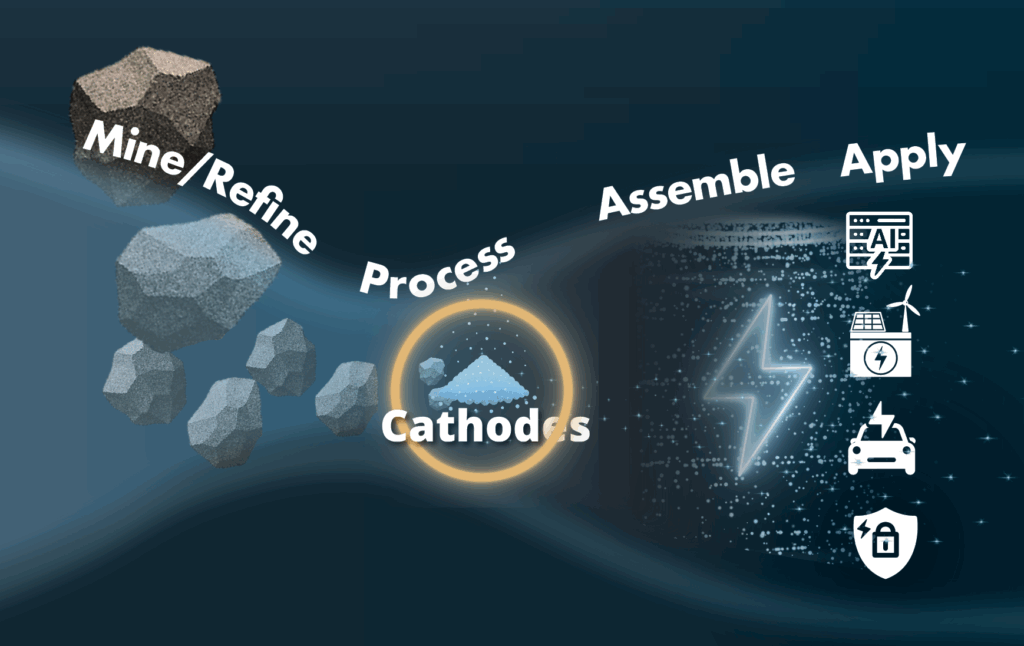
-Lithium Battery Cathode Materials: Spray drying enables large-scale production of cathode materials like lithium iron phosphate (LFP) or nickel-cobalt-manganese (NCM) composites. By atomizing precursor solutions into microdroplets, followed by rapid thermal decomposition, homogeneous nanoparticles with controlled crystallinity are formed. This enhances ionic conductivity and cycle stability in batteries.
-Catalyst Preparation: For automotive exhaust catalysts (e.g., platinum-group metals supported on alumina), spray drying ensures high dispersion of active components, maximizing surface area and reactivity. The process minimizes agglomeration, improving catalytic efficiency.
-Graphene-Based Composites: Spray drying creates graphene oxide (GO) or reduced GO (rGO) powders with tunable porosity, ideal for supercapacitor electrodes or strain sensors. Co-axial nozzles allow core-shell structures (e.g., rGO@SiO₂) for enhanced mechanical/electrical properties.
2. Ceramic and Inorganic Powders
-Advanced Ceramics: Zirconia, alumina, or silicon carbide powders for cutting tools, biomedical implants, or thermal barrier coatings benefit from spray drying’s ability to produce spherical, free-flowing granules. These improve sintering density and reduce defects during densification.
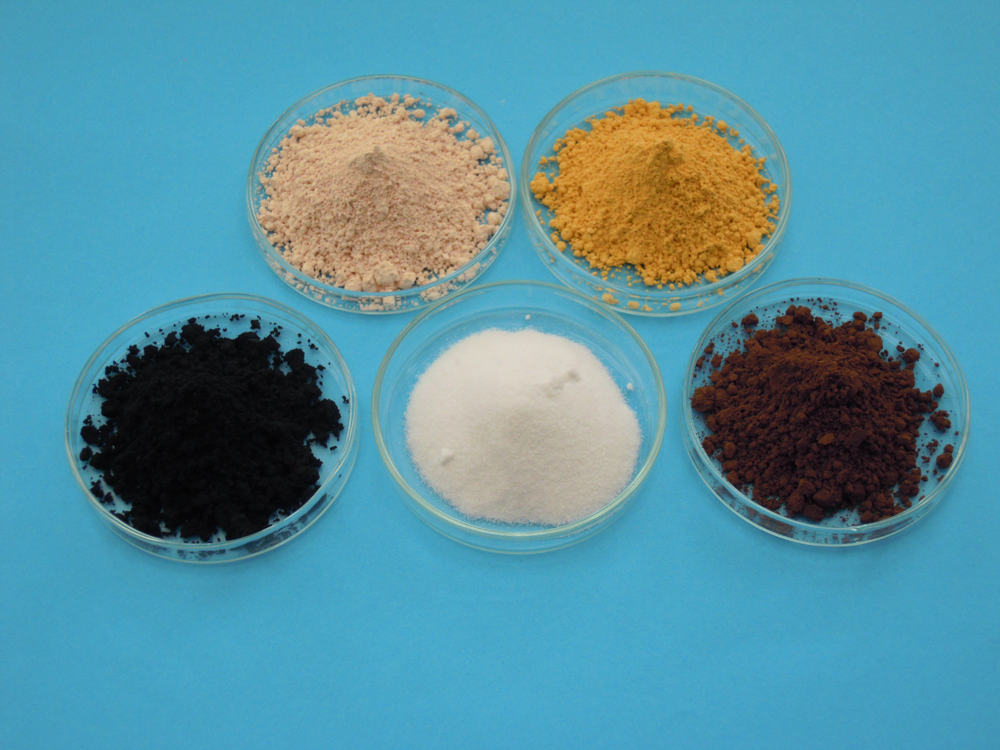
-Pigments and Colorants: High-purity titanium dioxide (TiO₂) or iron oxide pigments are synthesized via spray drying, ensuring narrow particle size distribution (PSD) for optimal light scattering and color consistency in paints, cosmetics, or electronics.
-Magnetic Materials: Ferrite powders (e.g., Mn-Zn ferrite) for transformers or inductors are prepared with controlled stoichiometry, avoiding phase segregation during drying. Post-calcination yields dense, magnetically soft materials.
3. Polymer and Composite Systems
-Polymer Microspheres: Biodegradable polymers (PLA, PVA) are spray-dried into microspheres for drug delivery, where particle size dictates release kinetics. Surface functionalization (e.g., PEGylation) can be integrated post-drying.
-Thermal Energy Storage (TES): Phase-change materials (PCMs) like sodium acetate trihydrate are encapsulated via spray drying, preventing leakage while enabling latent heat storage in solar heating systems. Silica shells stabilize the core PCM.
-Conductive Polymers: Polyaniline (PANi) or PEDOT:PSS powders for flexible electronics are produced by spray drying doped polymer solutions, retaining electrical conductivity through optimized drying temperatures.

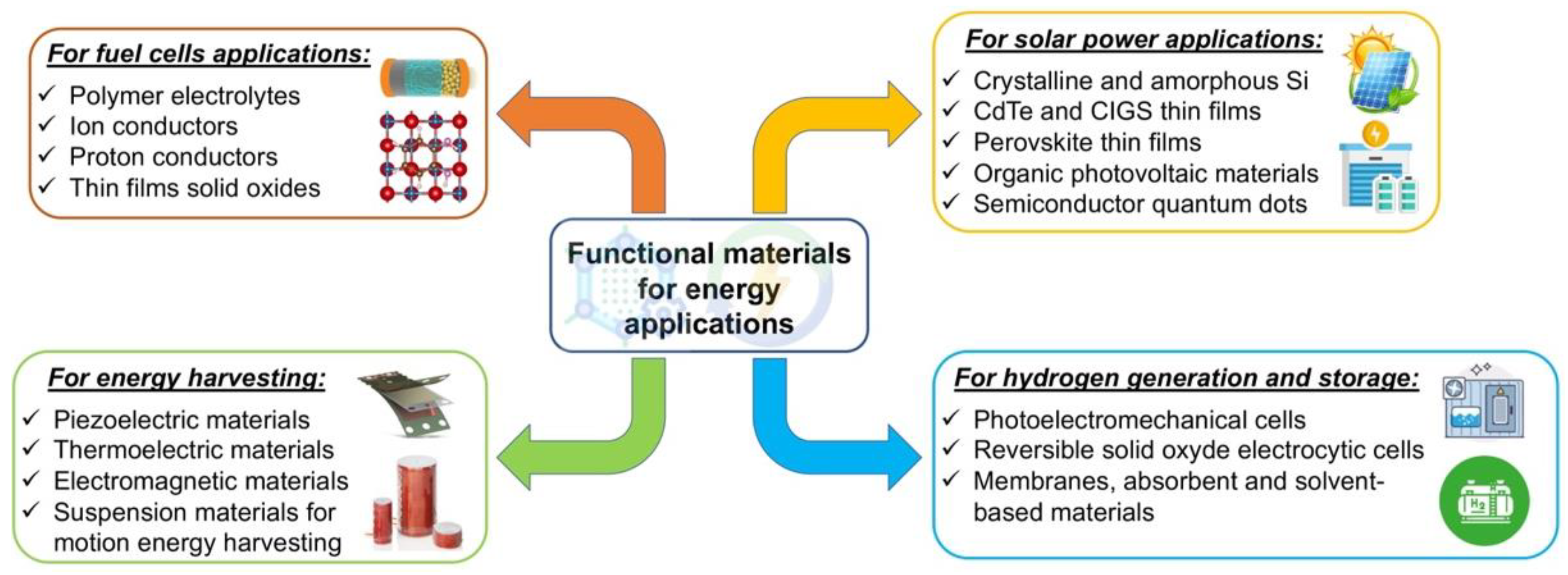
II. Applications in Renewable Energy
1. Solar Cell Manufacturing
-Perovskite Solar Cells: Spray drying facilitates scalable fabrication of perovskite quantum dots (PQDs) or hybrid organic-inorganic perovskites. Rapid solvent removal prevents defect formation, enhancing power conversion efficiency (PCE).
-Antireflective Coatings: Silica or TiO₂ nanoparticle suspensions are spray-dried into anti-reflective films, reducing photon loss in silicon wafers. Hierarchical porous structures boost light trapping.
-Transparent Conductive Oxides (TCOs): Indium tin oxide (ITO) or fluorine-doped tin oxide (FTO) powders are synthesized for transparent electrodes, balancing electrical conductivity and optical transparency.

2. Fuel Cell Technology
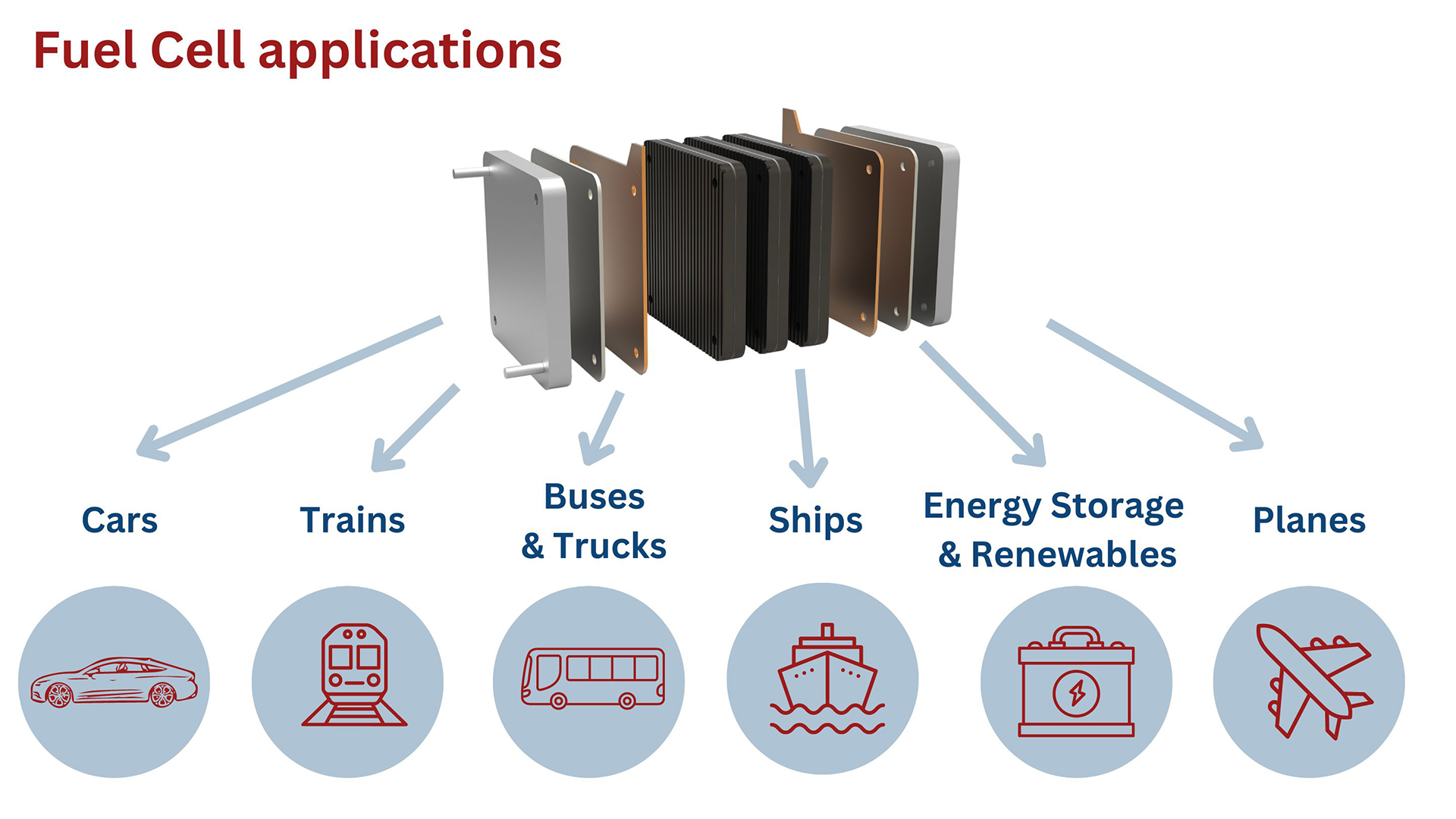
-Electrode Catalysts: Platinum/carbon (Pt/C) or non-precious metal catalysts (Fe-N-C) for proton exchange membrane fuel cells (PEMFCs) are prepared via spray drying. Ultrafine particles ensure efficient gas diffusion and triple-phase boundaries.
-Membrane Electrode Assemblies (MEAs): Ionomer solutions (e.g., Nafion) are spray-dried onto gas diffusion layers (GDLs), creating thin, uniform layers that minimize proton transport resistance.
3. Energy Storage Systems
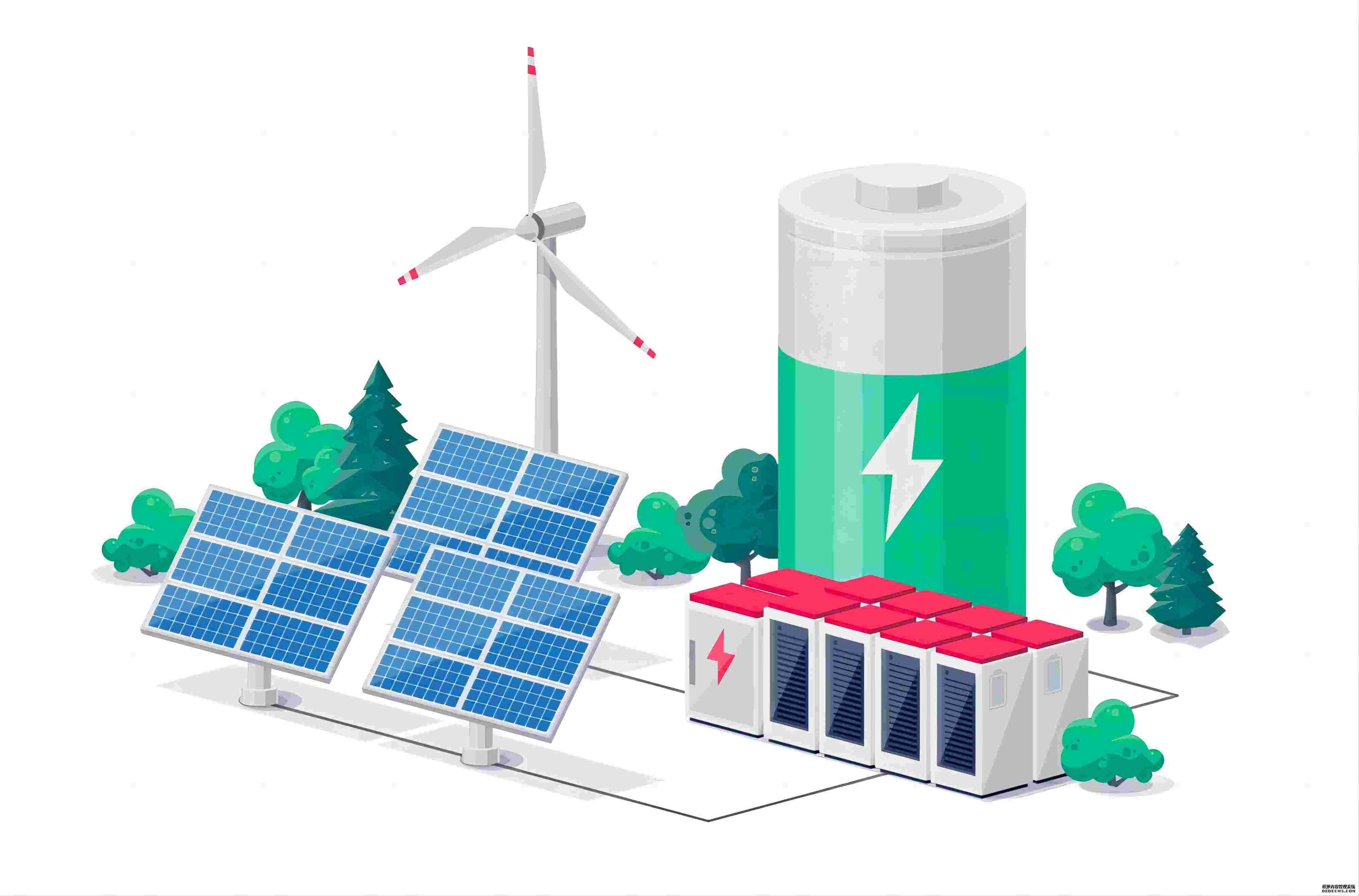
-Supercapacitor Electrodes: Activated carbon orMXene-based powders with tailored pore sizes are produced via spray drying, maximizing specific capacitance. Additives like carbon nanotubes (CNTs) enhance conductivity.
-Solid-State Electrolytes: Garnet-type Li₇La₃Zr₂O₁₂ (LLZO) powders for solid-state batteries are synthesized by spray drying, achieving high ionic conductivity after sintering. Doping strategies (Ta-doped LLZO) further optimize performance.
-Hydrogen Generation: Photocatalytic water-splitting catalysts (e.g., CdS/TiO₂ heterojunctions) are spray-dried into hierarchical structures, improving charge separation and H₂ evolution rates under sunlight.
III. Key Advantages in Material/Energy Sectors
-Precision Engineering: Sub-micron to millimeter-scale particle tuning via nozzle design, pressure, and temperature control.
-Scalable Green Manufacturing: Continuous processing reduces waste vs. batch methods; compatibility with water-based/solvent-free systems aligns with sustainability goals.
-Multifunctional Integration: One-step synthesis of composites (e.g., LiFePO₄/C for batteries) eliminates intermediate steps, lowering costs.
-Material Innovation Acceleration: Rapid prototyping of novel formulations (e.g., sulfur-rich cathodes for Li-S batteries) accelerates R&D cycles.
IV. Case Studies & Industry Impact
-Tesla’s Gigafactory: Uses spray-dried NCM cathode materials for high-energy-density EV batteries, achieving >250 Wh/kg cell-level energy density.
-BASF’s Catalyst Plant: Produces emission-control catalysts via spray drying, meeting Euro 7 standards with ultra-low PGM loadings.
-Oxford Photovoltaics: Employs spray-dried perovskite inks for tandem solar cells, reaching record efficiencies exceeding 28%.
-Siemens Gamesa: Applies spray-dried rare-earth-free magnet powders for wind turbine generators, reducing reliance on critical minerals.
V. Future Trends
-AI-Driven Process Optimization: Machine learning models predict optimal drying parameters for complex materials (e.g., alloy nanoparticles).
-Hybrid Drying Technologies: Combining spray drying with freeze-drying or plasma treatment for hybrid materials (e.g., MOF-derived catalysts).
-Circular Economy Integration: Recycling spent battery materials via spray drying to recover Li, Co, Ni with minimal emissions.
-Space-Based Manufacturing: Zero-gravity spray drying for lunar regolith-derived construction materials.
In summary, spray dryers bridge laboratory innovation and industrial-scale production in advanced materials and renewable energy, enabling breakthroughs in efficiency, cost, and sustainability. Their adaptability positions them as linchpins in the transition toward net-zero technologies.
