The flash point tester serves as a critical safety guardian and quality management sentinel in the risk control of oil and fat raw materials. Its application spans the entire lifecycle of production, storage, transportation, and usage.
The flash point is the lowest temperature at which a substance, under specified conditions, produces a flammable vapor that, when mixed with air and exposed to an open flame, results in an instantaneous flash (but does not sustain combustion). It directly reflects the substance's flammability and explosive hazard, as well as its volatile component content.
For oil and fat raw materials:
High flash point (typically >150°C): Relatively safe, less prone to ignition.
Low flash point: Indicates a higher content of low-boiling-point, volatile components (such as light solvents, free fatty acids, cracking products, residual solvents, etc.), signifying a high fire risk or potential issues with product quality/purity.
Specific Applications in Risk Management
1. Safety Risk Management
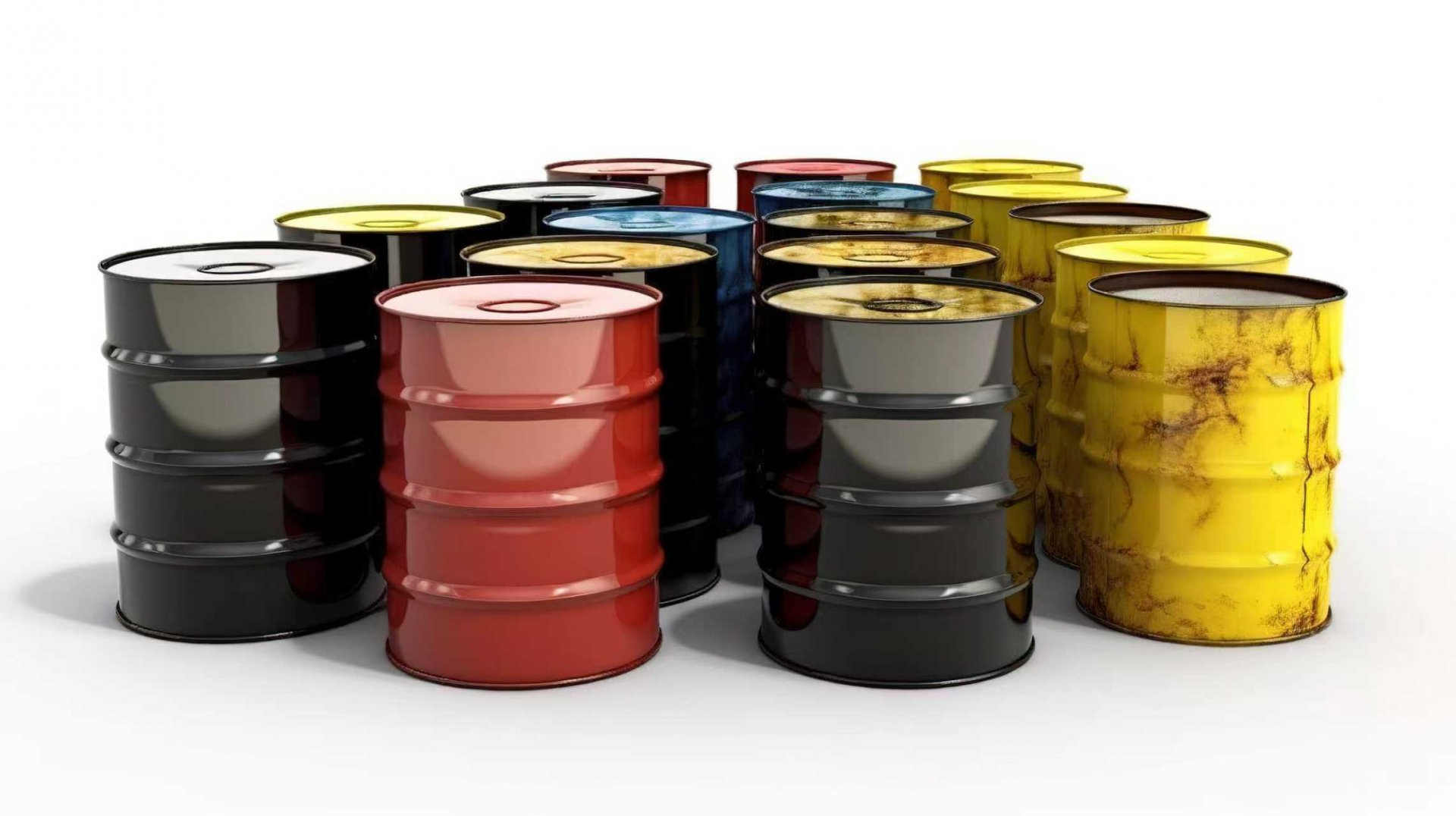
Fire and Explosion Hazard Classification and Identification: The flash point is the core criterion for determining whether an oil or fat is classified as a "combustible liquid" or a "flammable liquid." This directly dictates:
Storage Conditions: The required grade of fireproof and explosion-proof warehouses, storage tank types, and safety distances.
Transportation Requirements: Whether hazardous materials transport certification, labeling, and specialized containers are required.
Operational Standards: In production facilities (e.g., oil refineries, chemical plants), the level of explosion-proof electrical equipment, ventilation systems, and hot work permits required.
Thermal processing safety monitoring: In processes involving heated oils (e.g., deep-frying, oil cracking, transesterification), real-time or periodic flash point monitoring can alert to risks from localized overheating or thermal decomposition producing flammable gases, preventing the mixture from reaching explosive limits at process temperatures.
Leakage and Contamination Risk Assessment: Leaked oils with unexpectedly reduced flash points pose significantly heightened fire hazards. Regular testing is essential to evaluate the danger posed by leaked substances.
2. Quality and Purity Control
Detecting Contaminants/Adulteration: If low-flash-point solvents are mixed into oils, the flash point will decrease significantly. This serves as a rapid and effective method for identifying raw material adulteration, cross-contamination, or quality issues in recycled oils.

Assessing the Degree of Refining/Processing:

Oil Refining: After processes such as deodorization and deacidification, volatile impurities are removed, and the flash point should increase. Monitoring the flash point allows indirect assessment of refining effectiveness.
Thermal Cracking/Thermal Oxidation: Repeated heating or improper storage causes thermal decomposition or oxidation in oils, potentially producing small-molecule aldehydes, ketones, acids, etc., leading to a reduced flash point. This is particularly critical for evaluating the quality and safety of frying oils.
Verifying Process Consistency: For specific grades of oil products, flash point is a critical specification indicator. Batch-by-batch testing ensures products meet standards.
3. Compliance and Standardization

Compliance with Regulations and Standards: Nearly all product standards, Safety Data Sheets, and industry specifications related to oils and fats—such as those in food, chemical, and energy sectors—require flash point data. This serves as a mandatory indicator for legal compliance.
Supply Chain Risk Management: Conducting flash point testing upon raw material receipt verifies supplier product compliance and consistency, preventing the introduction of high-risk or non-conforming materials. This constitutes a critical component of supply chain quality control.
The value of flash point analyzers in managing risks associated with oil and fat raw materials is manifested as:
A safety red line: Directly quantifying fire and explosion risks, providing scientific basis for formulating all safety measures.
A Quality Probe: Sensitively indicating purity issues, processing defects, and degradation levels.
A Compliance Benchmark: Meeting mandatory requirements of domestic and international regulations and product standards.
Incorporating flash point testing as a routine monitoring item in oil and fat management represents a highly cost-effective approach. It prevents major safety incidents at their source, ensures stable product quality, and effectively manages supply chain risks.

