I. Food Testing Laboratories: Safeguarding the Safety Line from Source to Table
The core of food testing is to accurately restore the original state of samples. The 2-8°C refrigerator runs through the entire testing process, serving as the "first line of defense" to ensure the reliability of test results, covering a full range of scenarios from conventional categories to special risk projects.
1. Full-Process Preservation of Conventional Food Samples
From farms and production workshops to laboratories, the freshness of samples directly determines the authenticity of test data. The 2-8°C refrigerator undertakes the crucial role of "transitional storage."
Fresh and Ready-to-Eat Foods: The "Freshness Chamber" for Inhibiting Spoilage
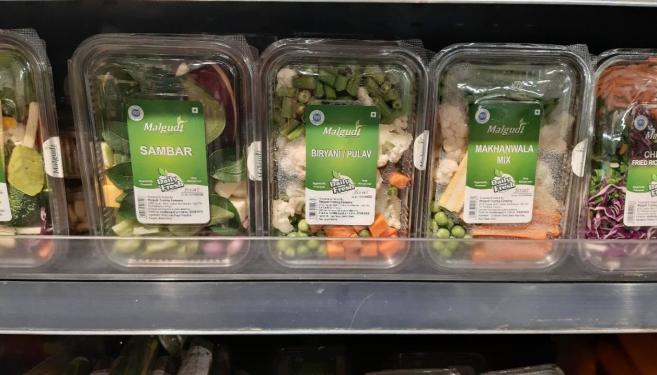
For samples like meat, aquatic products, eggs, fresh fruits and vegetables, as well as ready-to-eat salads and sushi, spoilage bacteria such as E. coli and Staphylococcus aureus can easily multiply at room temperature. This not only causes sample spoilage but may also mask the original microbial contamination. The refrigerator provides a stable low-temperature environment, placing samples in a state of low-temperature dormancy to slow down microbial reproduction, while preventing protein denaturation and fat oxidation. This ensures that upon arrival at the testing stage, the samples maintain their original properties, accurately reflecting the hygiene conditions during production and transportation.

Dairy and Pre-packaged Foods: Maintaining the Stability of Physicochemical Indicators
For dairy products like milk, yogurt, and cheese, as well as pre-packaged foods containing active ingredients, temperature fluctuations can easily lead to milk protein precipitation, probiotic inactivation, and nutrient degradation. The refrigerator provides a constant-temperature storage environment for these samples, preventing changes in their physicochemical properties due to temperature changes. This ensures the accuracy of subsequent tests for protein content, fat content, and additive compliance, avoiding result deviations caused by improper storage.
2. Core Guarantee for Microbial and Pathogen Testing
Microbial testing is a key defense line for food quality and safety, and the 2-8°C refrigerator directly affects the activity and reliability of test samples, covering the entire chain from bacterial strains to testing reagents.
Short-term Preservation of Pathogen Strains and Positive Samples
When laboratories conduct testing for pathogens like E. coli O157:H7, Salmonella, and Listeria, standard strains or positive samples are required. These active microorganisms are extremely sensitive to temperature and can easily lose activity or mutate at room temperature. The refrigerator provides a short-term storage environment that maintains the activity of the strains, ensuring they can be normally revived and cultured during testing, while preventing excessive proliferation to avoid cross-contamination in the laboratory, thus guaranteeing the purity of strains and the accuracy of test traceability.
Activity Protection for Culture Media and Testing Reagents
Most of the specific culture media, enzyme-labeled reagents, and antibody reagents required for microbial testing contain active ingredients. High temperatures can cause reagent inactivation and destroy the nutrient components of culture media, directly affecting the microbial culture effect and detection sensitivity. The refrigerator provides a stable storage environment for these reagents, ensuring their activity is not compromised, guaranteeing the success rate of microbial culture and the accuracy of detection signals, and preventing missed or false detections due to reagent failure.
3. Precise Adaptation for Special Risk Projects
For special testing projects such as allergens, genetically modified (GM) ingredients, and illegal additives in food, the 2-8°C refrigerator can maintain sample activity, providing support for accurate detection.
Maintaining Antigen Activity for Allergen Testing
Food samples containing allergens like gluten, peanuts, nuts, and milk have allergen proteins that are sensitive to temperature. High temperatures can easily cause protein denaturation and inactivation, making it impossible for the test to identify the allergen components, leading to missed judgment of allergy risks. The refrigerator preserves the antigen activity in the samples through low-temperature storage, ensuring that subsequent detection technologies like enzyme-linked immunosorbent assay (ELISA) and mass spectrometry can accurately identify allergens, safeguarding the dietary safety of allergic individuals.
Sample Stability for GM and Illegal Additive Detection
DNA fragments in GM foods and illegal chemical residues are prone to enzymatic degradation or decomposition at room temperature, leading to weakened or even vanished detection signals. The refrigerator can inhibit enzyme activity in the samples, preventing DNA degradation and chemical residue decomposition, ensuring the accuracy of quantitative GM ingredient testing and illegal additive screening, and avoiding distorted test results due to sample deterioration.

II. Environmental Testing Laboratories: Building a Data Foundation for Ecological Monitoring
The core of environmental testing is to capture the original state of environmental samples. The 2-8°C refrigerator is deeply integrated into the entire process of water quality, soil, solid waste, and emergency monitoring, becoming a key barrier to ensure the authenticity of environmental data, supporting work across all scenarios from routine monitoring to emergency response.
1. Water Quality Monitoring: Full-Process Protection of the Sample's Original State
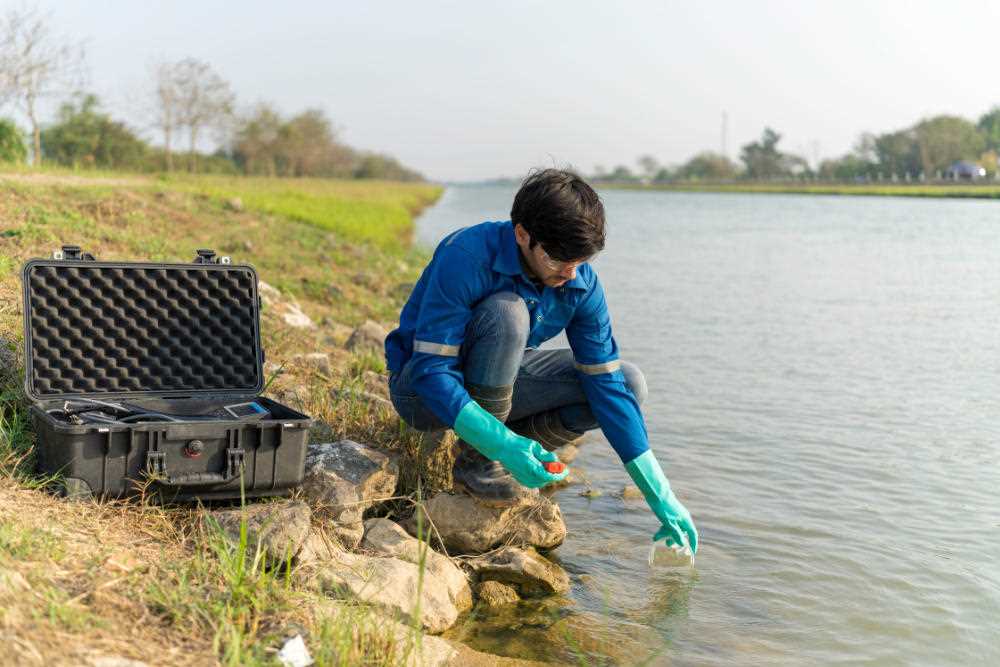
Water quality testing covers the entire process from on-site sampling to laboratory analysis. The activity and stability of samples directly affect core indicators such as pollutant concentration and microbial content. The 2-8°C refrigerator runs through every key stage.
Immediate Temporary Storage and Transportation After On-site Sampling
For collected samples of industrial wastewater, surface water, groundwater, and domestic sewage, if transported at room temperature, microorganisms will multiply massively, consuming dissolved oxygen in the water and decomposing pollutants, leading to changes in indicator concentrations like ammonia nitrogen and total phosphorus. Meanwhile, organic pollutants are volatile and degradable, and their concentration will continuously decline. After sampling, the samples are immediately stored in a 2-8°C refrigerator. The low temperature inhibits microbial metabolism and pollutant degradation, ensuring that all indicators remain stable during transportation to the laboratory, truthfully reflecting the actual water quality at the sampling point.
Sample Protection for Organic Pollutant and Biotoxicity Testing
For organic pollutants such as polycyclic aromatic hydrocarbons (PAHs), pesticide residues, and endocrine disruptors, as well as for biotoxicity testing using the luminescent bacteria method, the stability requirements for samples are extremely high. Organic pollutants are prone to volatilization and photolysis at high temperatures, while the activity of luminescent bacteria is sensitive to temperature and easily inactivated at room temperature, leading to weakened detection signals. The refrigerator provides a low-temperature, light-proof storage environment for these samples, inhibiting the volatilization and degradation of organic pollutants and maintaining the activity of luminescent bacteria. This ensures that subsequent analytical methods like gas chromatography-mass spectrometry (GC-MS) and biotoxicity testing can accurately determine pollutant concentrations and toxicity levels, providing a reliable basis for water quality safety assessment.
2. Soil and Solid Waste Testing: Preserving Original Information from Complex Matrices
Soil and solid waste samples have complex compositions and contain pollutants that are volatile and degradable. The 2-8°C refrigerator builds a solid foundation for the testing of such samples through precise temperature control.
Precise Retention of Volatile Organic Compounds (VOCs)
VOCs in soil, such as benzene series and halogenated hydrocarbons, are highly volatile. Exposure at room temperature leads to a rapid decline in the concentration of target substances. Moreover, heavy metals in different valence states (e.g., As(III)/As(V), Cr(VI)) are prone to valence state conversion at room temperature, directly affecting toxicity assessment. The refrigerator provides a low-temperature storage environment for soil extracts, reducing the loss of VOCs due to volatilization and inhibiting valence state changes in heavy metals. This ensures that subsequent detection technologies like gas chromatography and atomic fluorescence can accurately determine the types and concentrations of pollutants, providing precise data for soil pollution remediation and risk control.
Compliant Storage of Solid Waste Leachate
The testing of solid waste leachate is a core step in determining whether solid waste is classified as hazardous waste. The pollutant concentration in the leachate must truthfully reflect the leaching characteristics of the solid waste. At room temperature, microorganisms in the leachate will decompose pollutants, leading to a decrease in concentration. The refrigerator maintains the stable state of the leachate, ensuring that the test data complies with national hazardous waste identification standards, providing a scientific basis for solid waste classification, disposal, and environmental supervision.

3. Emergency Monitoring: A "Mobile Cold Chain Hub" in Sudden Pollution Incidents
In the event of a sudden environmental incident, time is of the essence. The 2-8°C refrigerator can quickly establish a mobile cold chain, providing key support for emergency monitoring.
Rapid Sample Storage at Pollution Scenes
In the face of sudden environmental incidents such as oil spills, chemical leaks, and heavy metal pollution, soil, water, and air deposition samples collected on-site will see pollutants rapidly diffuse and degrade if not refrigerated promptly, making it impossible to trace the pollution source and assess the pollution extent. Portable 2-8°C refrigerators can quickly reach the scene with emergency monitoring vehicles, providing immediate storage for collected samples. This ensures the stability of samples before they are transported back to the laboratory, providing a true and reliable sample basis for subsequent pollutant source tracing, pollution scope delineation, and emergency treatment plan formulation.
Stable Guarantee for Emergency Testing Reagents
Rapid testing reagents and reagents for portable testing equipment required for emergency monitoring mostly contain active ingredients. High temperatures can cause reagent failure, affecting the speed of emergency testing. The refrigerator provides a stable storage environment for emergency reagents, ensuring they remain active under sudden circumstances, guaranteeing the accuracy of on-site rapid


